Logistics
Durban Port Congestion Reports Alone Cannot Confirm Parts Disruptions; Check Each Shipment’s Route
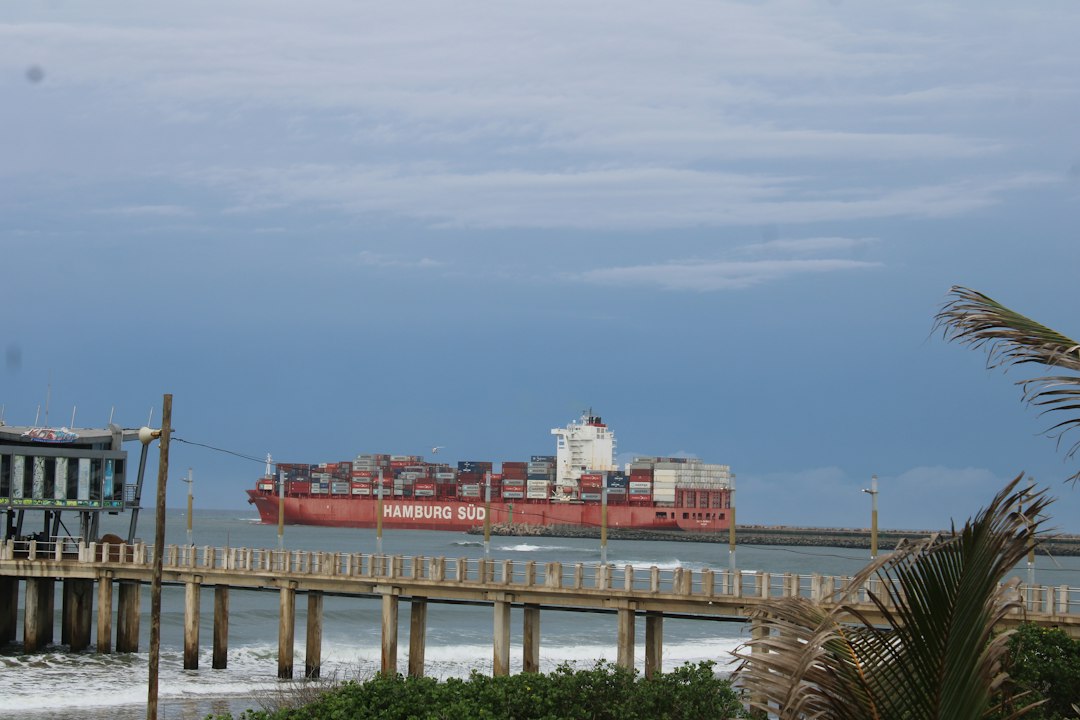
Reports have highlighted congestion at the Port of Durban and transport risks for the automotive industry. But the timing and extent of congestion, and terminal operating conditions alone, cannot determine whether supplies of specific parts have been disrupted. Each shipment’s status should be checked against its actual route and booking information.
November 16, 2026
Understand it in 30 seconds
What happened?
Reports say Durban's backlog is near 20 days.
What changed?
Others report repairs and steadier operations.
Why does this matter to me?
Shippers should not infer delays from port reports alone; they should check each shipment's route and status.
How could this affect us?
See how this story could change everyday life.
01
Check transport status for each shipment
Compare shipping documents with the latest booking information to confirm the vessel and voyage, actual route, and terminal handling status.
02
Review transshipment connection schedules
If the connecting vessel after Durban is not confirmed, the estimated final arrival date should not be treated as firm.
03
Review parts inventory and alternative sourcing
Do not count expected shipments as confirmed inventory; check whether alternative supply and transport bookings are actually secured.
How does this change affect logistics?
Sign in to read the full story, plus the background, logistics-impact analysis, and reader poll.
Sign in to read the full article, plus the logistics impact and related issues.
- Full article
- Logistics impact
- Background
- Related issues
- Join the discussion
- Full article
- Logistics impact
- Join the discussion
- Before you read
- Q&A